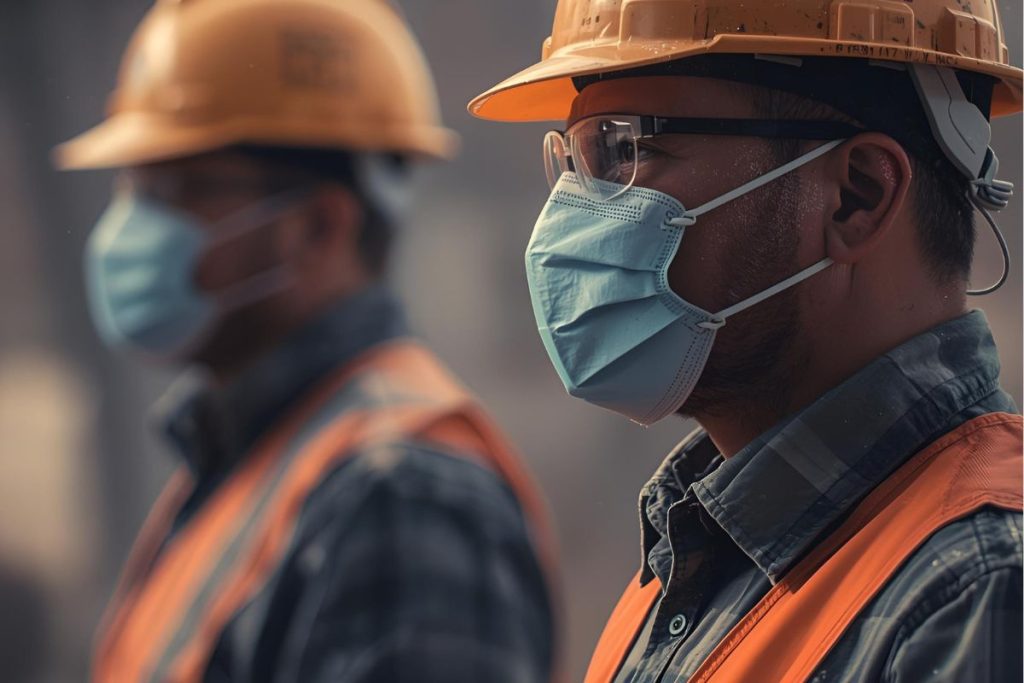
This is not a distant or theoretical risk. In 2022, the WorkSafe Western Australia compliance program found that 25–40% of fabrication and installation workers were exposed above safe levels.
Yet many businesses continue to treat this issue superficially. The risk is manageable, particularly with the right support.
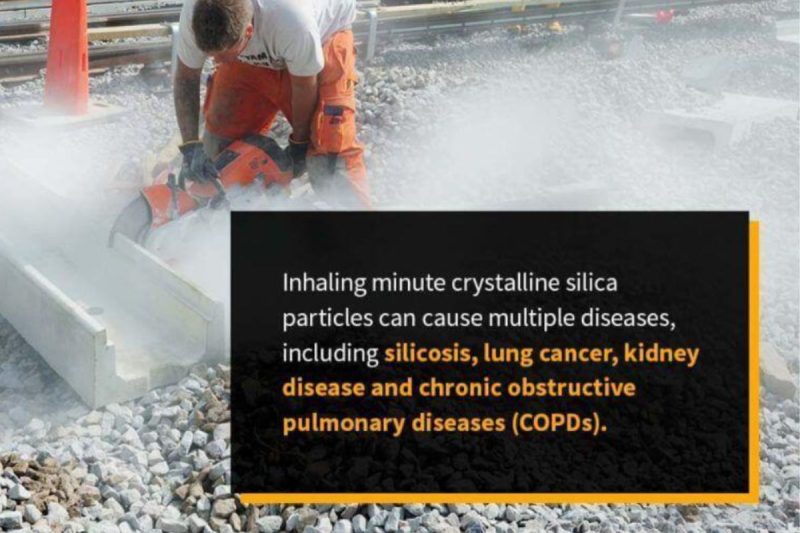
Respirable Crystalline Silica (RCS) is a hidden but serious occupational hazard. Once inhaled, these tiny silica particles penetrate deep into the lungs, causing silicosis, chronic obstructive pulmonary disease (COPD), and even lung cancer. In Australia, we’ve seen an alarming surge in silicosis cases, particularly among engineered stone benchtop workers, where young workers in their 30s are now being diagnosed with life-changing disease.
With regulatory bodies now implementing prohibitions and stricter controls, it’s clear that industry must act before disease emerges.
While the spotlight has been on stone fabrication, the threat of RCS exposure extends far beyond a single industry. Its presence is wherever silica-containing materials are cut, ground, drilled, or otherwise disturbed, including construction, mining, foundries, agriculture, and even emerging areas like artificial turf installation.
How Real is the Threat?
High exposure levels: Studies show that engineered stone workers often exceed the Workplace Exposure Standard (0.05 mg/m³), with some tasks generating respirable dust at levels several times higher.
Rapid disease progression: Unlike traditional silicosis, exposures in engineered stone fabrication can cause aggressive disease within 5–10 years, rather than decades.
Hidden exposure: Many high-risk tasks, such as cutting or polishing concrete and stone, can produce ultrafine dust invisible to the naked eye, a real danger for workers without robust protection.
Proactive Risk Management: What Should Be Done
Addressing RCS exposure isn’t just about compliance, it’s about creating safer, healthier workplaces. A proactive approach can be broken down into several key pillars:
1. Leverage Hygiene Risk Management Consultants
Many organisations underestimate the value of specialist hygiene consultants in managing RCS risk. Their role is to:
Design tailored exposure control programs: Consultants can assess your workplace and implement engineering, administrative, and PPE controls that are specific, measurable, and sustainable.
Ensure compliance efficiently: By aligning with Australian standards and state-based requirements, consultants help prevent fines, claims, and reputational damage.
Deliver cost-effective solutions: Hiring a consultant doesn’t have to be permanent or expensive, short-term engagements or project-based contracts can provide expert guidance without long-term staffing costs.
Support training and culture development: Consultants can train supervisors and workers, create toolbox talks, and embed a culture of proactive dust management.
Engaging a consultant upfront often proves more economical than managing a regulatory breach, disease outbreak, or ongoing ineffective controls. They provide measurable improvements that reduce risk while optimising costs and operational efficiency.
2. Identify & Monitor Risks
Conduct dust exposure assessments across all high-risk tasks, not just the obvious ones.
Implement real-time monitoring using wearable sensors to detect spikes in dust levels.
Keep detailed exposure logs to track trends and identify emerging hazards.
3. Control at the Source
Use wet cutting, grinding, or polishing methods to reduce dust generation.
Install local exhaust ventilation (LEV) and ensure proper maintenance.
Explore automation or robotic solutions to minimize human exposure in high-risk tasks.
4. Substitute Where Possible
Transition to low-silica alternatives in stone fabrication, construction materials, or abrasive products.
Evaluate suppliers’ material content and choose products with the lowest respirable silica content.
5. Protect the Worker
Provide fit-tested respiratory protection appropriate for the exposure level.
Train workers to recognise dusty tasks, use controls effectively, and maintain PPE.
Encourage health surveillance programs including lung function tests and chest X-rays.
6. Culture & Communication
Embed RCS awareness into safety culture and leadership.
Use toolbox talks, visual alerts, and ongoing engagement to reinforce safe practices.
Promote reporting and early intervention when dust control measures fail or exposure occurs.
Looking Ahead
RCS exposure is not going away, but it can be managed proactively. The industries most affected are already responding with safer technologies and stricter regulations. Emerging risks, from artificial turf installation to recycling and demolition, demand that safety leaders stay alert, anticipate hazards, and act before workers are harmed.
By combining monitoring, engineering controls, substitution, worker protection, hygiene consultancy, and safety culture, businesses can not only comply with regulations but demonstrably reduce the human toll of respirable crystalline silica.
Proactive management is no longer optional; it’s a duty of care. Those who take it seriously today will protect their workforce and future-proof their operations tomorrow.
Are you confident your workplace is doing everything it can to manage RCS? Consider engaging a hygiene risk management consultant, conducting an independent exposure audit, reviewing your controls, and implementing robust health surveillance programs. The cost of inaction can be measured in lives, not dollars.
LRM Global can tailor cost effective, comprehensive solutions for your business – don’t leave it to chance. www.lrmglobal.com.au
References:
Hoy, R., Baird, T., et al. (2023). Australian first: rapid rise of silicosis in engineered stone workers. Monash University. Link
WorkSafe WA (2022). Respirable Crystalline Silica Compliance Program Report. Link
Safe Work Australia (2023). Prohibition on the Use of Engineered Stone: RIS. Link
Safe Work Australia (2023). Protecting workers from respirable crystalline silica – Guide. Link
WorkSafe QLD (2023). Guide: Protecting workers from respirable crystalline silica. Link
American Industrial Hygiene Association (AIHA, 2022). Industrial Hygiene Guidelines for Consulting Services. Link