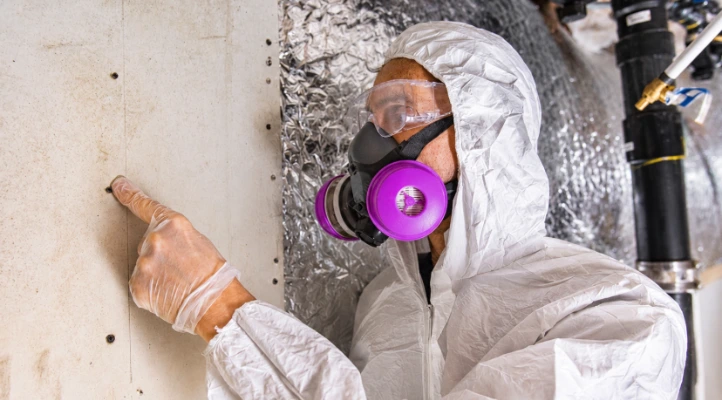
If you suspect a property was previously used as a clandestine drug laboratory, avoid disturbing potentially contaminated areas and arrange professional advice before cleaning, renovating or allowing people to occupy the property.
If you discover unknown chemicals, laboratory equipment or evidence of active drug manufacturing, leave the area immediately and contact police. Once the property has been made safe, an environmental consultant can assess potential contamination, arrange appropriate sampling and recommend further action.
Even if a property appears clean, hazardous chemical residues may remain on surfaces and building materials. For Melbourne property owners and purchasers, early assessment can help identify potential risks before renovation, leasing or occupancy.
At LRM Global, we help property owners, purchasers and building managers across Melbourne and Victoria investigate suspected drug laboratory contamination and make informed decisions about property safety.
What Should You Do First If You Suspect a Drug Lab?
Your first priority is to avoid potential exposure and prevent anyone from disturbing suspicious materials.
If you suspect an active drug laboratory or discover unknown chemicals and equipment, leave the property and contact Victoria Police. Call 000 for immediate danger or 131 444 for non-urgent police assistance.
If your concern relates to possible contamination from previous activities, restrict access to affected areas until appropriate advice has been obtained.
| What you should do | Why it matters |
| Keep people away from suspected contaminated areas | Reduces potential exposure to hazardous substances. |
| Leave chemicals and equipment untouched | Prevents accidental exposure, chemical reactions and interference with possible evidence. |
| Avoid cleaning or removing materials | Reduces the risk of spreading chemical residues. |
| Gather existing property information | Helps establish the history and potential contamination sources without disturbing the site. |
| Arrange professional contamination assessment | Determines whether sampling, remediation or further investigation is needed. |
Do not attempt to inspect, dismantle or clean up suspected drug manufacturing equipment yourself.
What Signs Could Indicate Previous Drug Laboratory Activity?
Unusual chemical staining, unexplained building alterations and discarded laboratory materials may indicate previous drug manufacturing activity.
However, these signs do not confirm contamination on their own.
Potential warning signs include:
- Unexplained chemical stains on floors, walls or work surfaces.
- Strong or unusual chemical odours.
- Discarded chemical containers or laboratory equipment.
- Unusual modifications to ventilation, plumbing or electrical systems.
- Evidence of chemical spills or damaged building materials.
- Information from police or property records suggesting previous drug manufacturing.
Can a Property Be Contaminated Without Visible Signs?
Yes. Chemical residues may remain on building surfaces or within porous materials even after visible equipment and waste have been removed.
General cleaning, painting or replacing flooring does not necessarily address underlying contamination.
We recommend investigating credible concerns before proceeding with renovations, leasing or occupancy.
Why Should You Arrange Professional Drug Lab Contamination Testing?
Professional contamination testing helps determine whether hazardous residues are present and whether further investigation or remediation is required.
Clandestine drug manufacturing can involve substances such as methamphetamine, solvents, acids and other hazardous chemicals.
The contaminants present depend on the activities previously undertaken at the property.
Through an environmental and occupational hygiene assessment, we help you:
- Identify areas where contamination may be present.
- Determine which substances require testing.
- Assess potential exposure risks for occupants and contractors.
- Establish whether remediation is necessary.
- Obtain documented findings to support property decisions.
Our approach focuses on the property’s actual conditions, available evidence and potential exposure pathways rather than relying on appearance alone.
What Happens During a Clandestine Drug Lab Assessment?
A clandestine drug laboratory assessment involves reviewing the property’s history, inspecting accessible areas and collecting samples where appropriate.
We determine the assessment scope based on the suspected activities, property layout and potential contamination risks.
| Assessment stage | What we assess |
| Property history review | Available records and information about suspected previous activities. |
| Site inspection | Accessible building areas and evidence of possible chemical contamination. |
| Sampling strategy | Locations and contaminants requiring laboratory analysis. |
| Surface sampling | Chemical residues on selected walls, floors, fixtures and other surfaces. |
| Further investigation | Potential contamination in concealed areas or building materials where justified. |
| Findings and recommendations | Results, potential risks and whether remediation or further assessment is needed. |
Does Every Suspected Drug Lab Need Methamphetamine Testing?
Not necessarily. Methamphetamine residue testing may be appropriate where previous methamphetamine manufacturing is suspected.
However, clandestine drug laboratories may involve several hazardous substances. Testing only for methamphetamine may not adequately assess all contamination associated with chemical manufacturing.
We recommend selecting the appropriate tests based on the available evidence and the property’s risk profile.
What Happens If Testing Confirms Drug Lab Contamination?
If testing identifies contamination requiring action, the next step is to develop an appropriate remediation plan.
The extent of remediation depends on the substances identified, contamination levels, affected materials and intended property use.
We may recommend:
- Restricting access to affected areas until risks are adequately managed
- Preparing a site-specific decontamination plan.
- Engaging appropriately qualified remediation specialists.
- Treating or removing contaminated building materials.
- Managing hazardous waste in accordance with applicable requirements.
- Conducting post-remediation validation to assess whether clean-up criteria have been met.
Not every contaminated property requires the same remediation approach.
We help you interpret assessment results, identify the areas requiring attention and determine practical next steps before the property returns to use.
Can You Renovate or Occupy a Property Before Contamination Testing?
If there is credible evidence of previous drug manufacturing, we recommend assessing potential contamination before disturbing affected materials or allowing occupancy.
Renovation activities such as sanding, demolition and removing building materials may disturb chemical residues and increase exposure risks.
For Melbourne property buyers, landlords and building managers, resolving these concerns early can help prevent unexpected remediation costs and project delays.
Is Clearance Testing Needed After Drug Lab Remediation?
Post-remediation validation may be necessary to confirm that the affected areas meet the agreed clean-up criteria.
This can involve additional surface sampling, laboratory analysis and review of completed remediation work.
A satisfactory validation result applies to the assessed areas and contaminants. It does not guarantee that every possible hazard throughout the property has been eliminated.
Arrange Clandestine Drug Lab Testing in Melbourne
If you suspect a property has been used for drug manufacturing, we can help you assess potential contamination before cleaning, renovation or reoccupation.
At LRM Global, our Clandestine Labs Testing and Assessment services support property owners, purchasers and building managers with site assessments, sampling, contamination risk evaluation and remediation advice.
We provide environmental, occupational hygiene and HSE consulting services across Melbourne and Victoria.
Concerned about possible drug laboratory contamination? Contact LRM Global to discuss your property and arrange an assessment before proceeding with further work or occupancy.